The pandemic
The COVID-19 pandemic has changed much of our lives. Borders are closed. Travels are stopped. People are working from home. Social activities are discouraged. I don’t think anyone had imagined anything like this just a few months back. One reason the coronavirus spreads so effectively is because it is transmitted via air droplets. What if we can use a similar strategy and vaccinate the ones at risk? Wouldn’t that be an efficient way to induce immunity in a community?
Vaccination
Vaccination is recognised by the World Health Organisation (WHO) as one of the most effective ways to prevent diseases. In contrast to more common forms of medicines, most vaccines are given via injections by a trained healthcare personnel. While the personal care is valuable, only limited healthcare resources are available to serve a community. Is there a more efficient way for mass immunisation of a large community?
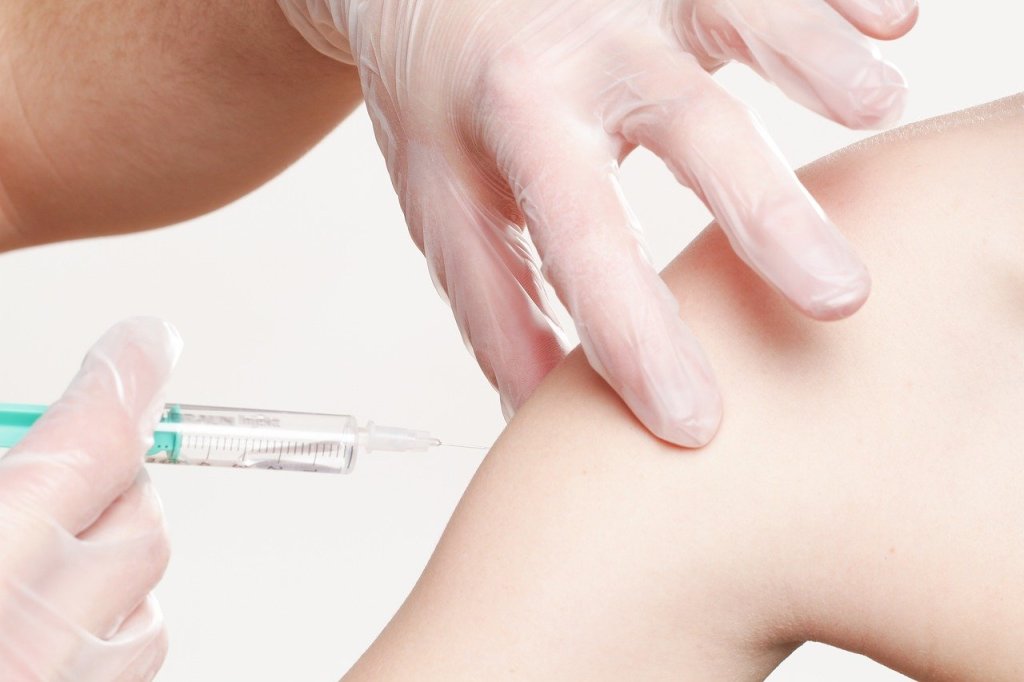
One reason that most vaccines are given as injections is because our digestive system is designed to breakdown big molecules such as antigens, the active ingredients in vaccines. To induce immunity, the antigen needs to reach your body’s immune system in its intact form so it can learn how to recognise the pathogen. Is there any other routes we can use to introduce vaccine antigens into the body without needles?
Inhaled vaccines

Medications for airway conditions such as asthma and chronic obstructive pulmonary diseases are commonly given via inhalers directly to the lungs. Similar strategy could be used for delivery of vaccines, especially for protection against airway infections [1]. It has been shown by scientists in several research groups that direct delivery of vaccine antigens to lungs could induce antibodies in both the blood and the lungs against the pathogen [2, 3, 4]. This could be particularly relevant for airway infections given that local delivery of vaccines directly to the lungs could induce stronger immunity within the airway for protection against airborne viruses.
Opportunities
The current pandemic presents a scenario where such a mass vaccination strategy for efficient immunisation of a large community could potentially be beneficial. The thought that we could spread immunity as efficient as the virus spreading the infection is tempting. Like any work of innovation though, it comes with many challenges, especially in the development of new medicinal products. In addition to a safe and effective antigen, special engineering is needed to develop a formulation suitable for administration via inhalation. It could present interesting opportunities to the scientific community for further exploration.
References
- Sou T, et al. (2011). New developments in dry powder pulmonary vaccine delivery. Trends in Biotechnology. 29(4):191-8.
- Sou T, et al. (2015). Spray-dried influenza antigen with trehalose and leucine produces an aerosolizable powder vaccine formulation that induces strong systemic and mucosal immunity after pulmonary administration. Journal of Aerosol Medicine and Pulmonary Drug Delivery. 28(5): 361-371.
- Amorij JP, et al. (2007). Pulmonary delivery of an inulin-stabilized influenza subunit vaccine prepared by spray-freeze drying induces systemic, mucosal humoral as well as cell-mediated immune responses in BALB/c mice. Vaccine. 25(52): 8707-8717.
- de Swart RL, et al. (2007). Measles vaccination of macaques by dry powder inhalation. Vaccine. 25(7): 1183-1190.
 CAREX
CAREX 
Leave a comment